
The Cycle of Abuse and Its Breaking
It Ends with UsFollows the intergenerational pattern of domestic violence through Andrew Bloom and Ryle Kincaid and the moment Lily Bloom finally ends it.
increasing Bearing strength in each event
 decreasing
Bearing strength in each eventdecreasingAndrew Bloom's Apology Cycle

Andrew Bloom's Apology Cycle
Scene
Andrew Bloom beats Jenny Bloom and then spends the next weeks buying flowers, taking the family to dinners, and buying gifts for Lily. His apologies are sincere in the moment but inevitably followed by another attack. Lily comes to expect the good weeks as compensation for the bad ones.
Significance
The apology cycle teaches Lily the grammar of abuse: violence followed by remorse, then a honeymoon period, then more violence. She internalizes this pattern so deeply that her own marriage to Ryle follows the same rhythm. Her father's example is the script she is trying not to repeat.
Aftermath
When Andrew dies, the cycle stops temporarily, only to be reanimated by Ryle's behavior. Lily carries the template into her adult relationships without recognizing it.
Watching Her Mother Not Leave
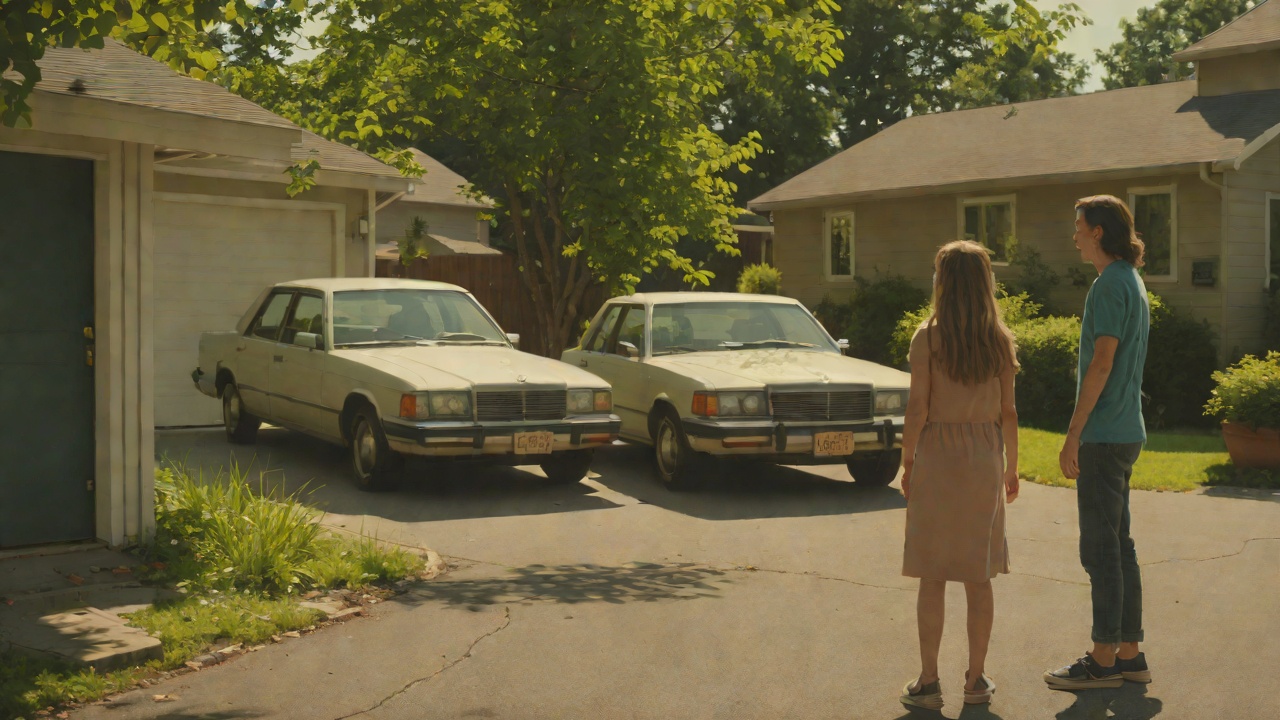
Watching Her Mother Not Leave
Scene
Lily hears her mother scream, runs to the garage, and finds Andrew choking Jenny on the car hood. When Lily tries to intervene, she is thrown and hits her head. Jenny tells her to say she slipped on ice, and Lily realizes her mother will never leave.
Significance
The garage incident is the moment Lily loses respect for her mother and replaces it with resentment. She decides that when she grows up, she will never accept violence. The vow becomes the standard against which she later measures herself and Ryle.
Aftermath
Lily returns to school with stitches and begins to understand that pretending is a family tradition. Her relationship with her mother remains strained until the confession at the kitchen table.
First Accident Excuse

First Accident Excuse
Scene
After burning his hand, Ryle pushes Lily, and the two explain it as an accident caused by pain and panic. Lily tells herself that Ryle is nothing like her father. For a time, the incident is folded into the marriage's origin story as a mistake rather than a warning.
Significance
The first incident is the critical fork in the road. Lily chooses to stay, and in doing so she begins the same erosion of limits she witnessed in her mother. The word accident becomes the mechanism by which violence is normalized.
Aftermath
Lily sets a boundary that it must never happen again, believing a spoken boundary is enough. Ryle's next attack proves the boundary is not structural.
Becoming a Living Statistic
Becoming a Living Statistic
Scene
Lily reflects that 85 percent of women return to abusive situations and that she always thought those women were weak. She now understands that love, hope, and the belief that he will change all contribute to the decision. She also realizes she is now one of the women she once judged.
Significance
The journal entry is the point where Lily's compassion extends to her mother. It also removes the shame from her own situation. Understanding the statistics does not make leaving easy, but it makes her feel less alone.
Aftermath
Lily continues processing her options as her pregnancy grows. The empathy she gains becomes the intellectual foundation for the choice she will make in the delivery room.
Breaking the Pattern
Breaking the Pattern
Scene
Lily asks Ryle what he would tell their daughter if she came home with bruises. When he says he would beg her to leave, he inadvertently sets Lily free. She breaks the cycle not by escaping to another lover but by choosing to protect her child.
Significance
The scene is the climax of every thematic thread about abuse. It proves that cycles are broken through excruciating moments of love and courage. Lily does not become her mother because she refuses to let the pattern gain a third generation.
Aftermath
Lily raises Emerson in a separate house, co-parents safely with Ryle, and eventually finds love with Atlas. The pattern is interrupted, and Emerson grows up without watching her father hurt her mother.
throughout Lily Bloom's childhood
when Jenny Bloom is attacked in the garage
during the first year of Lily and Ryle's marriage
while Lily writes in Ellen's journal at Atlas's house
in the hospital immediately after Emerson's birth
